UAE Advances Second Phase of Agentic AI Project and Unveils ‘FedAI’ Platform to Automate Federal Operations
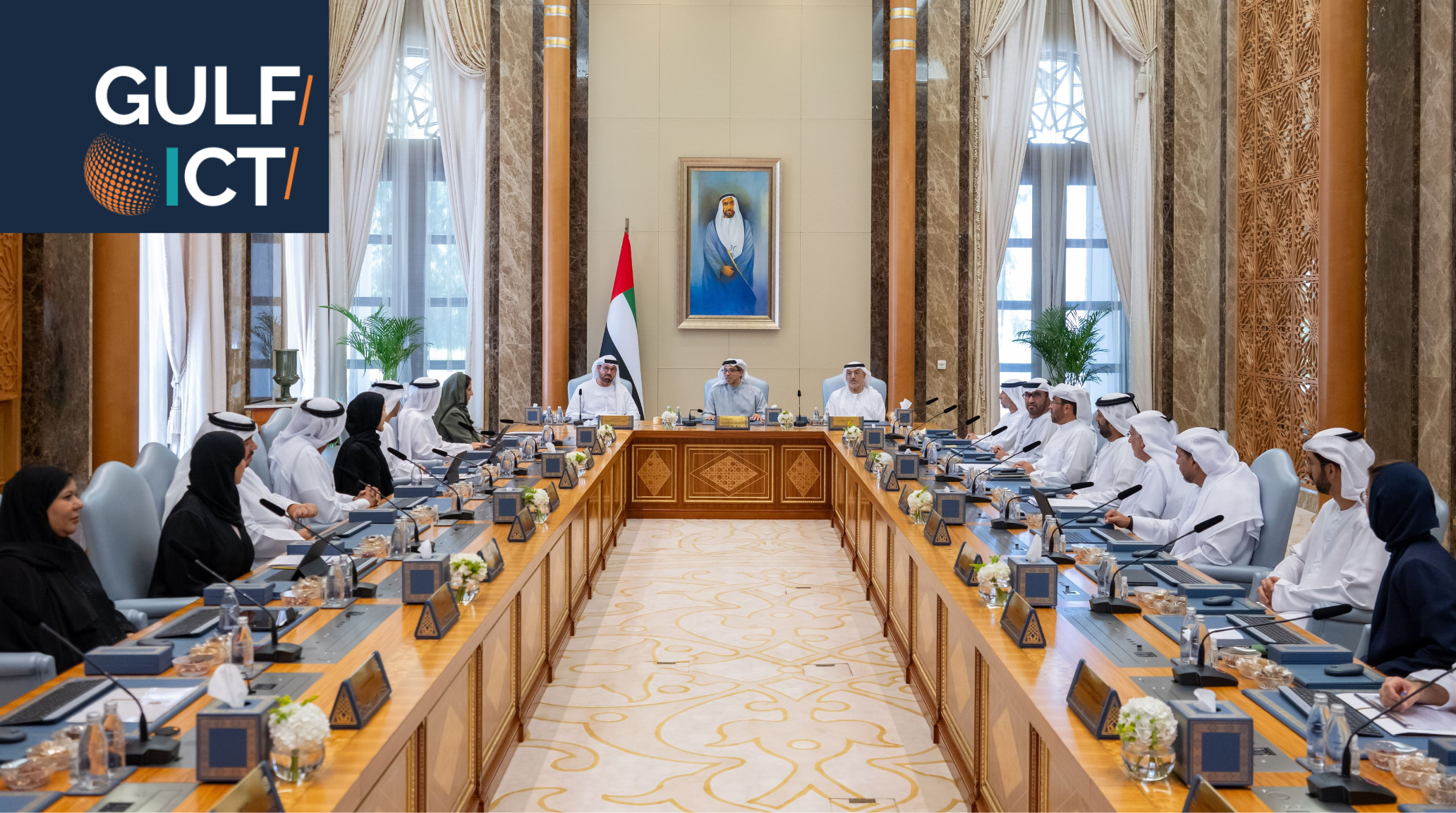
ABU DHABI — His Highness Sheikh Mansour bin Zayed Al Nahyan, Vice President, Deputy Prime Minister, and Chairman of the Presidential Court, chaired a meeting of the Ministerial Council for Artificial Intelligence and Development at Qasr Al Watan in Abu Dhabi, formally reviewing the implementation of the Second Phase of the UAE Agentic AI Project.
The high-level session evaluated strategic milestones, cross-entity readiness, and the deployment roadmap for expanding autonomous, task-oriented agentic artificial intelligence across the UAE federal government. The overarching national strategy targets the transformation of 50 percent of federal government sectors, services, and operational workflows into AI-driven models within two years.
"Agentic AI is the new phase in our journey of developing the Government of the Future," affirmed H.H. Sheikh Mansour bin Zayed Al Nahyan. "Our target is to transform its capabilities into tangible impact on government efficiency, quality of services, and speed of execution, and to build national capabilities who are able to lead this transformation efficiently and responsibly. We are building a government system that is smarter, more flexible, and more proactive—a system that leverages Agentic AI to develop services, operations, and tasks, and to shape policies and decisions within a secure and reliable digital infrastructure."
Key Strategic Deliverables & Technical Initiatives:
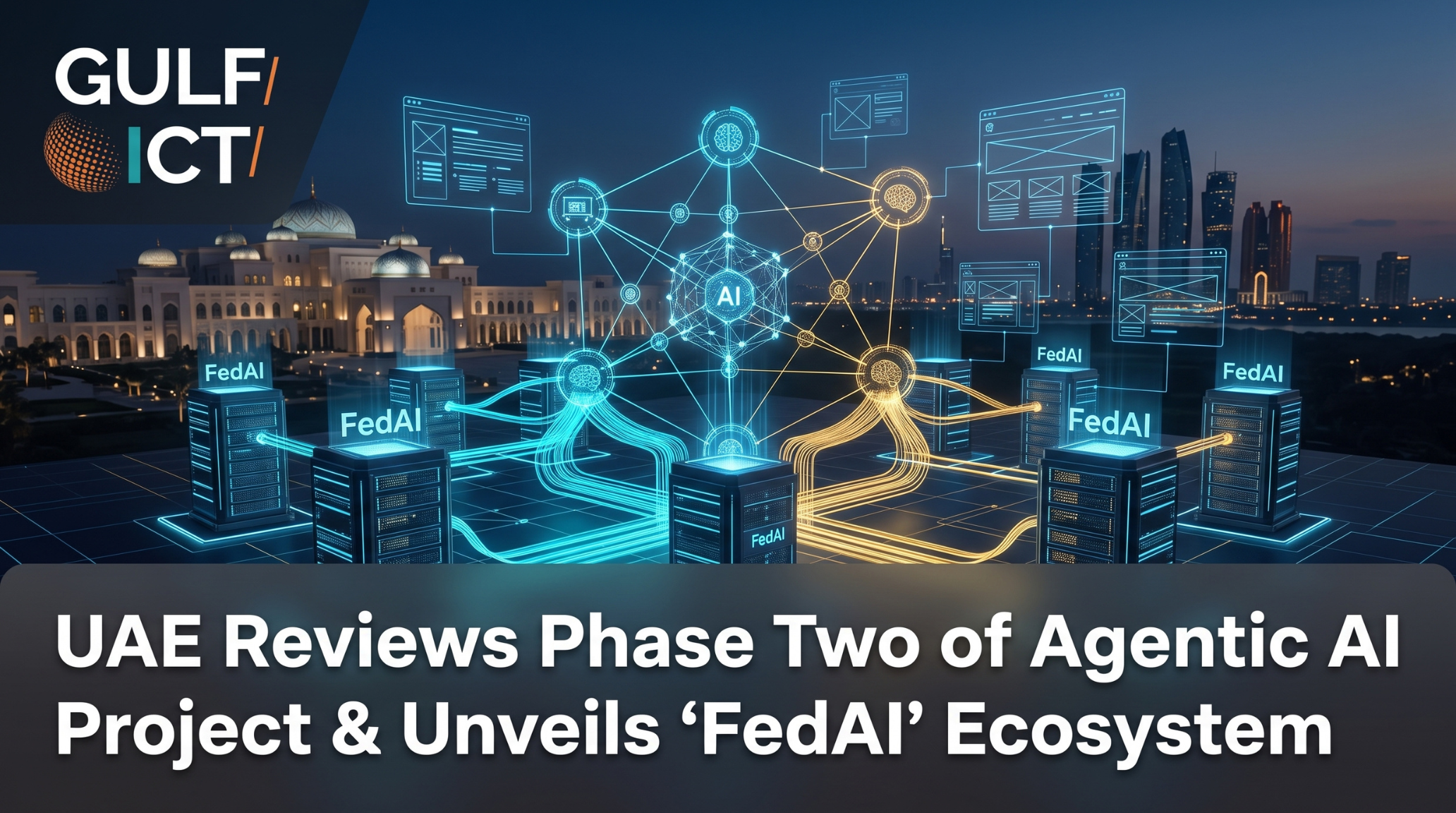
Launch of ‘FedAI’ Platform: The Council reviewed architecture for the Federal Agentic AI Technology Platform ("FedAI"), a unified, sovereign technical ecosystem enabling federal ministries and public entities to securely build, deploy, and orchestrate agentic AI systems and commercial/open-source foundation models via a centralized National AI Gateway.
Government Customer Experience Lab: Establishing a dedicated experimentation facility to test and deploy agentic AI within public-facing digital services, citizen engagement channels, and automated administrative operations.
Internal Innovation Challenges: Launching competitive hackathons and internal development challenges across federal entities to engage civil servants and technical personnel in engineering practical agentic solutions.
Phase One Completion & Upcoming Rollouts: The Council assessed the outcomes of the project's foundational phase—which audited existing government services, mapped operational priorities, and built baseline technical capabilities—and reviewed pipeline projects submitted by federal ministries scheduled for immediate phased deployment.
Beyond the agentic AI transformation roadmap, the Council reviewed critical regulatory and legislative updates across strategic national sectors—including healthcare and genomics, commercial enterprises, the cooperative sector, telemarketing, food product safety, and enhancements to the tax system. The session concluded with updates on national policies governing environmental sustainability, renewable energy integration, and foreign direct investment incentives.