DUBAI — The Artificial Intelligence Journalism for Research and Forecasting (AIJRF), in institutional collaboration with the University of Dubai and the Arab AI Index in Universities (AIU), has announced the fourth cohort of the Arab AI Researchers (AAIR) initiative, scheduled to take place in Dubai from November 5 to 7, 2026.
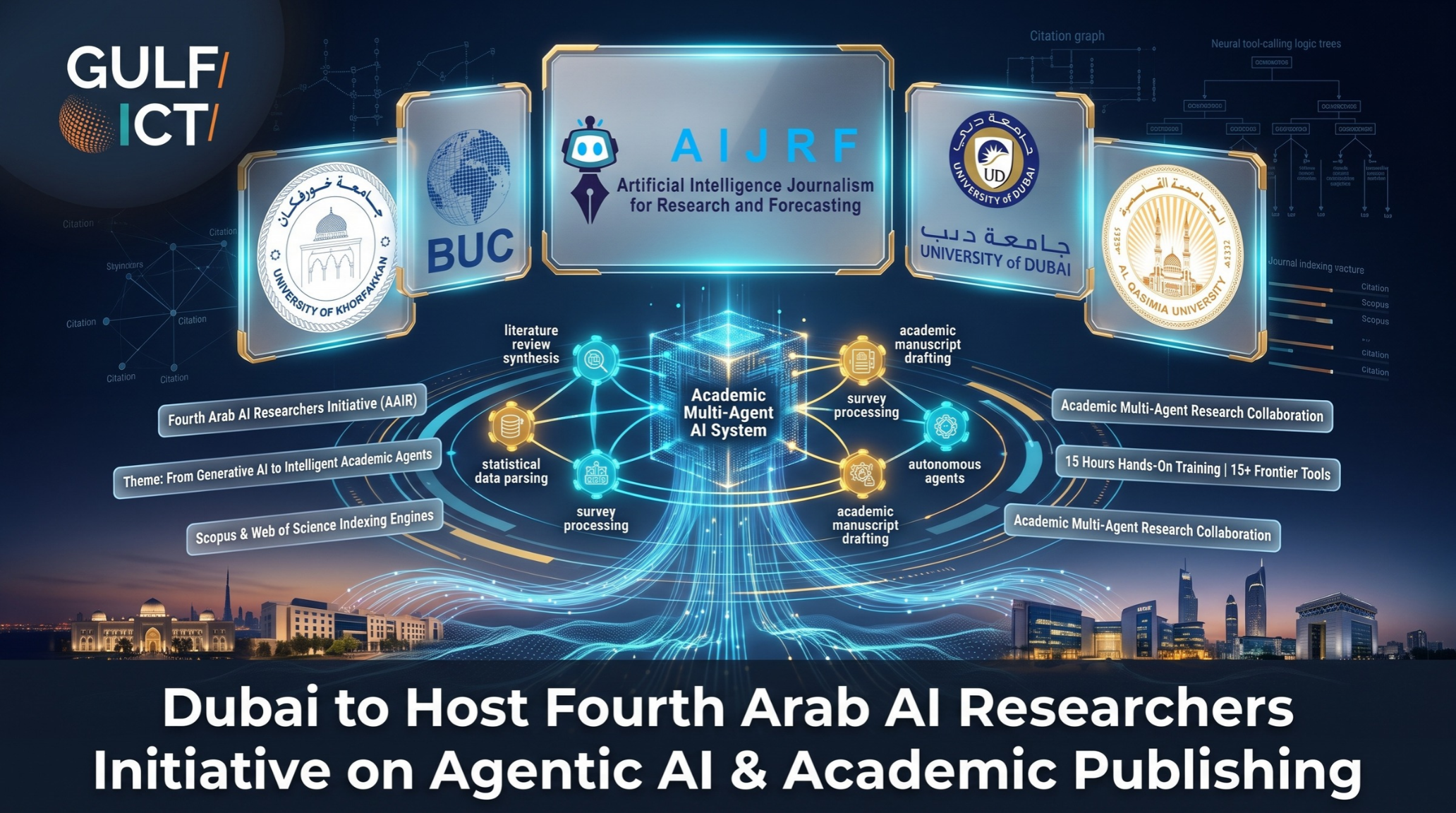
Convening four prominent regional higher education institutions, comprising the University of Dubai, the University of Khorfakkan, Badr University in Cairo, and Al Qasimia University, the assembly aims to cultivate advanced capabilities among Arab scholars in adopting Agentic AI frameworks. Running under the central theme Arab AI Researchers: From Generative AI to Intelligent Academic Agents in Academic Research, the program delivers fifteen hours of intensive hands-on instruction across three days, introducing faculty and postgraduate candidates to more than fifteen frontier artificial intelligence platforms. The curriculum is structured to drive an operational transition away from isolated generative text prompting toward engineering cooperative academic software agents that execute interconnected research tasks under strict human verification and ethical governance frameworks.
The training framework is segmented across three primary technical tracks designed to elevate regional output across internationally indexed scientific literature. The initial module instructs researchers on constructing dedicated software agents to support publications targeting journals indexed in Scopus, automating specialized academic literature discovery,contextual reference synthesis, journal selection mapping, and manuscript compliance checks. The second module focuses on deploying specialized agents for publications indexed in Web of Science, equipping participants with algorithmic mechanisms to analyze scientific citation trends, evaluate manuscript alignment with editorial mandates, and audit research ethics protocols. The third module guides scholars in assembling integrated Academic Multi-Agent Teams,where distinct autonomous sub agents handle targeted research operations, including literature synthesis, quantitative and qualitative data processing, survey administration, and structured interview analysis.
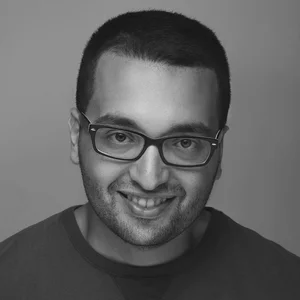
Dr. Mohamed Abdulzaher, Chief Executive Officer of the AIJRF, affirmed that the fourth iteration marks a pivotal evolution in the initiative’s strategic scope by pivoting entirely toward agentic architectures as collaborative research partners. Dr. Abdulzaher emphasized that autonomous agents will not substitute for human intellectual creativity or scientific deduction, but will fundamentally redefine the academic skill profiles required over the coming decade. He stated that mastering prompt engineering and the oversight of autonomous agents will establish a decisive operational advantage, enabling Arab scholars to automate repetitive administrative tasks and redirect institutional focus toward critical thinking, peer review integrity, and sovereign scientific innovation.